12 Oct 2026
Interface Nuances Shaping Progression Choices in Digital French Roulette Setups
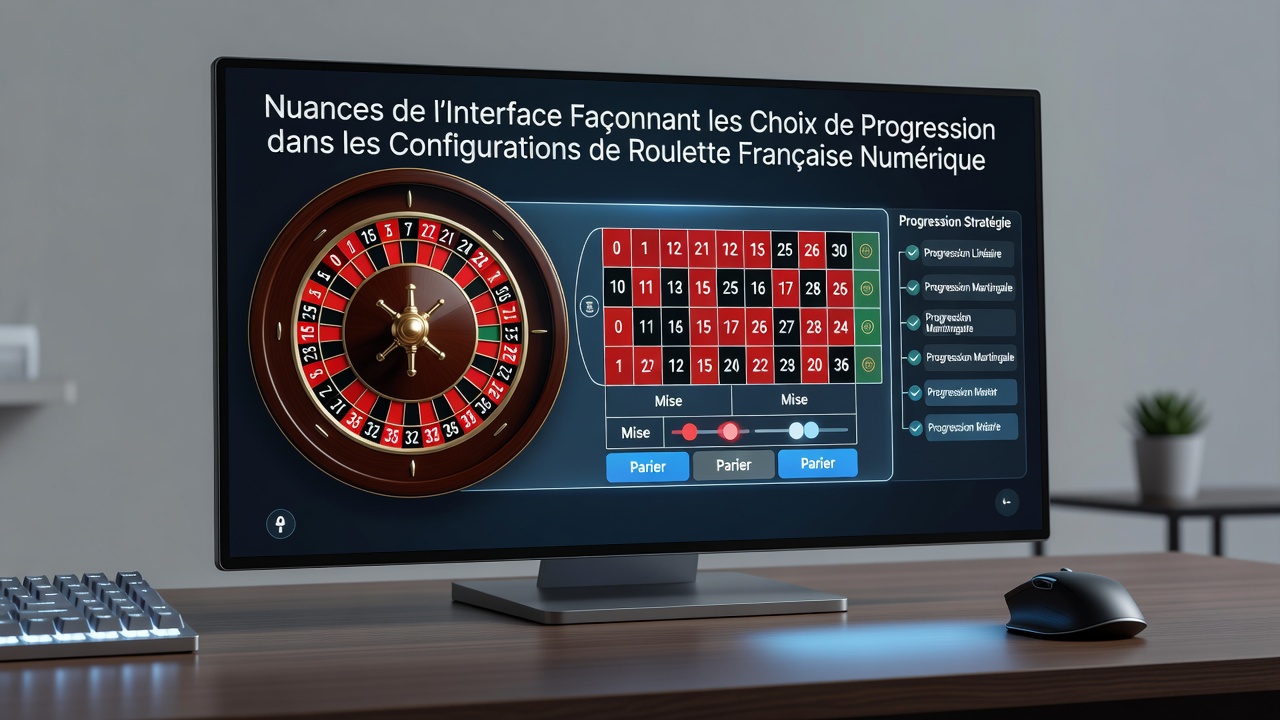
Digital French Roulette platforms present players with layered interface components that include customizable bet grids, real-time payout calculators, and rule-specific prompts for features such as La Partage and En Prison, all of which guide how individuals adjust their betting sequences over multiple spins. These elements appear across platforms licensed in various European jurisdictions where French wheel mechanics operate with a single zero and specific even-money bet protections that return half the stake under certain conditions. Observers note that the placement and visibility of history logs directly affect decisions about whether to extend a progression sequence or reset after a defined number of losses.
Core Interface Components in French Wheel Configurations
Designers incorporate sliders for stake adjustments alongside color-coded outcome trackers that highlight sequences of red or black results while displaying the impact of La Partage on even-money wagers in a separate panel. Such layouts allow players to monitor cumulative losses without manual calculation yet require them to toggle between multiple screens when applying methods like the D'Alembert system which relies on incremental increases and decreases. Data from platform analytics reveal that users who keep progression panels open throughout sessions tend to maintain longer sequences before resetting compared to those who rely on default views that hide advanced statistics.
Button arrangements for quick bets further shape choices by grouping common progression steps into one-click options that reduce the time between spins and encourage continued application of the same pattern. Researchers examining European online gambling markets have documented how these shortcuts correlate with higher frequencies of Martingale-style doublings on even-money positions because the interface minimizes friction in stake modification. At the same time visual indicators for wheel bias or recent number distributions appear in peripheral sections and prompt some users to switch from negative to positive progressions when patterns suggest short-term deviations.
Progression Method Adaptations Through Digital Displays
Players applying the Labouchere system encounter dedicated sequence builders within the interface that automatically update remaining numbers after each outcome and display the next required stake based on the current list length. This automation reduces errors in manual tracking yet limits flexibility when individuals want to modify the base sequence mid-session because the software enforces the original parameters until a manual override occurs. Figures from industry reports indicate that such built-in tools see greater use during extended play periods where the interface also flags the point at which La Partage would return a portion of the stake and thereby alter the net loss calculation within the progression.
Those who study player behavior across global platforms observe that interfaces incorporating separate En Prison toggles encourage retention of bets across spins rather than immediate progression adjustments because the option suspends the stake instead of requiring an immediate increase or decrease. This design choice interacts with payout structure displays that show potential returns after the prison resolution and leads some users to extend sequences longer than they would in non-digital environments where manual tracking proves more cumbersome.
Regional Regulatory Influences on Interface Design
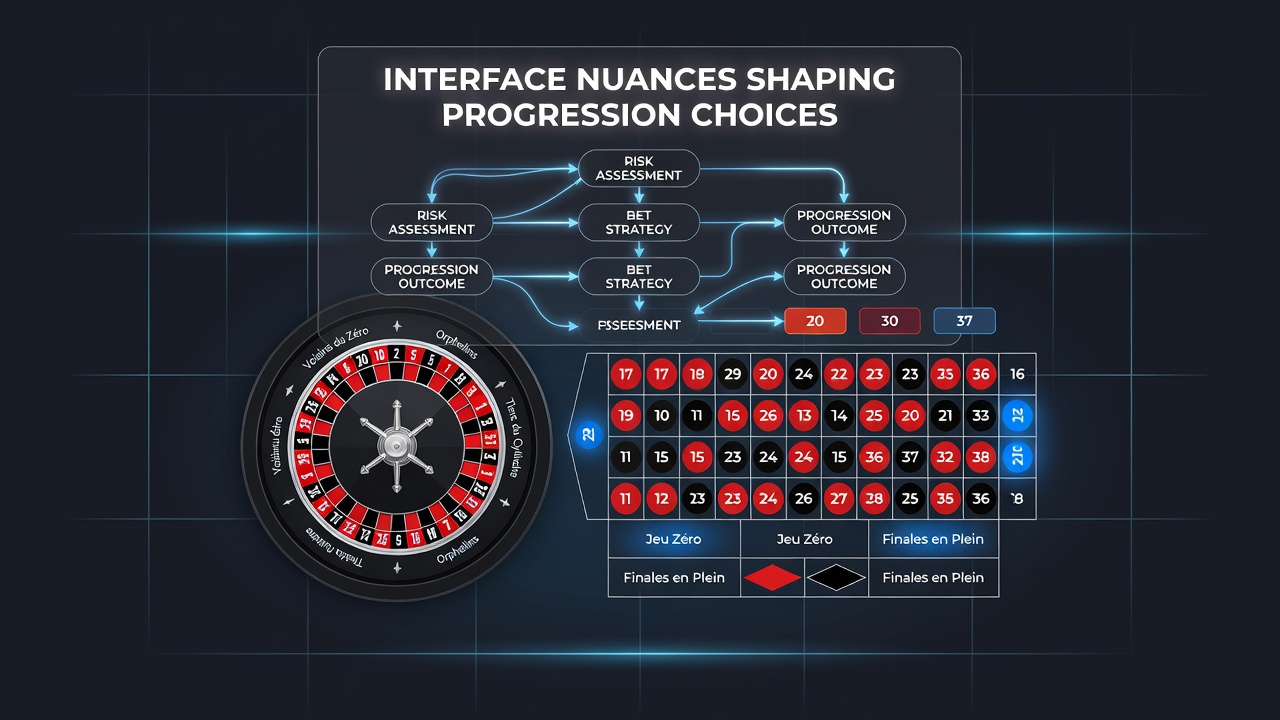
Platforms operating under Malta Gaming Authority oversight must present clear rule explanations alongside progression-related controls whereas those following Australian interactive gambling standards emphasize session timers that interrupt extended sequences at fixed intervals. These differences appear in how progression choices unfold because the timing of prompts affects whether players complete a planned cycle or pause to reassess. A European Gaming and Betting Association report outlines how interface compliance requirements vary by jurisdiction and shape the availability of automated progression assistants across French Roulette variants.
Additional data compiled by academic researchers at institutions studying digital gambling interfaces show that users exposed to persistent loss-limit warnings tend to abandon negative progressions earlier when the interface highlights cumulative exposure in real time. Such patterns hold across multiple markets yet differ when platforms integrate region-specific payout visualizations that emphasize the house edge reduction from La Partage in comparison to standard European wheels.
Data Patterns in Player Sequence Selection
Analytics collected through October 2026 across several regulated sites indicate measurable differences in sequence length when interfaces display running totals versus those that require separate menu access for the same information. Players who view integrated progression summaries complete more steps on average before resetting while those using minimalist views reset after fewer consecutive outcomes. These observations align with findings from Australian gambling research centers that examined interface variations and their correlation with betting persistence in French wheel environments.
Stake adjustment latency introduced by certain mobile interfaces further modulates choices because slower response times between spins encourage shorter progressions to avoid extended exposure during peak network periods. Desktop versions wth instant controls show the opposite tendency where users maintain sequences across more spins before the interface signals a potential reset point based on predefined thresholds.
Conclusion
Interface elements in digital French Roulette setups interact with core rules such as La Partage and En Prison to influence how progression systems unfold through visual feedback, automated tracking, and regional compliance features. Platform data and regulatory analyses demonstrate consistent patterns in sequence duration and method selection that stem directly from these design choices rather than from player preference alone. Continued examination of these interactions provides insight into how future updates may refine the relationship between interface layout and betting behavior across licensed environments.